Winter transforms Yellowstone into a completely different world. Snow covers the valleys, wildlife moves through vast open landscapes, and the simplicity of the season creates some incredible opportunities for photography.
This expedition is about slowing down and spending meaningful time in the field searching for wolves, bison, foxes, coyotes and the other wildlife that calls Yellowstone home. Along the way, we will work together on light, composition, storytelling and learning to recognize those little moments that can turn an encounter into a meaningful photograph.
More than anything, I want this to be an experience of Yellowstone itself. The cold mornings, the wildlife, the landscape and the excitement of never quite knowing what we might find around the next corner.
Winter in Yellowstone is unpredictable, and that is part of what makes it special. Our days will remain flexible, following wildlife, weather and light rather than a rigid schedule.
Day 1 — Arrival & Welcome
Arrive in Yellowstone and settle into our accommodation. We will meet as a group, get to know each other and go over our plans, winter photography, safety guidelines and what to expect during the expedition.
We will finish the evening with a welcome dinner together.
Meals: Welcome dinner
Overnight: Yellowstone area accommodation
Days 2 to 6 — Exploring Yellowstone
Our days will generally begin early in the morning as we head into Yellowstone, often before sunrise, to make the most of the beautiful winter light and wildlife activity.
We will explore areas such as the Lamar Valley and Yellowstone's Northern Range, searching for wolves, bison, coyotes, foxes, elk and other wildlife.
Once we find something interesting, the wildlife will largely determine how we spend our time. We may spend hours observing a wolf pack, watching bison move through deep snow or following a coyote hunting across an open valley.
Along the way, we will work on composition, exposure, light and storytelling, learning to create photographs that capture not just the wildlife, but the atmosphere and experience of being there.
Lunches will generally be enjoyed in the field, allowing us to make the most of our time outdoors. We will return to our accommodation in the evenings for dinner, rest and conversations about our photographs and experiences.
Every day will be a little different, and we will keep our plans flexible depending on wildlife activity, weather and road conditions.
Meals: Field lunch
Overnight: Yellowstone area accommodation
Day 7 — Departure
After breakfast, we will pack up, say our goodbyes and begin our journeys home.
I hope you leave with some wonderful photographs, unforgettable memories and a deeper appreciation for the incredible wildlife and landscapes of Yellowstone.
Meals: Breakfast
Food & Accommodation
Comfortable accommodation and meals are taken care of throughout the expedition, including field lunches that allow us to stay close to the wildlife rather than planning our days around restaurants. Dietary restrictions and allergies can be accommodated with advance notice.
What to Bring
Yellowstone in winter can be extremely cold, with temperatures sometimes dropping well below freezing. We will spend several hours outdoors, so having the right clothing and equipment is very important.
Here are a few things I recommend bringing:
Warm winter jacket: A well insulated, windproof and waterproof jacket suitable for very cold conditions.
Thermal layers: Good quality base layers, fleece and insulating layers to help retain body heat.
Winter hat: A warm beanie or insulated hat that covers your ears.
Gloves: Insulated winter gloves or mittens, ideally with thinner photography gloves underneath so you can operate your camera without exposing your hands for too long.
Winter boots: Warm, waterproof and insulated boots with good traction for walking on snow and ice.
Warm socks: Wool or thermal socks, along with a few spare pairs.
Camera equipment: Your preferred camera and telephoto lenses, spare batteries, memory cards and protection against snow and moisture.
Personal essentials: Sunglasses, sunscreen, lip balm, hand warmers, personal medications and a small backpack for your belongings.
Physical Activity & Safety
This expedition involves spending several hours outdoors in cold winter conditions, with some walking on snow, ice and uneven terrain.
Most of our travel between wildlife locations will be by vehicle, with opportunities to step out and photograph wildlife from safe, designated locations.
You should be comfortable standing outdoors in freezing temperatures for extended periods, although we will have opportunities to warm up in our vehicle throughout the day.
Wildlife safety is always a priority. We will maintain appropriate distances, follow National Park Service regulations and never disturb an animal for the sake of a photograph.
Winter weather can also affect road access and travel times, so our plans will remain flexible throughout the expedition.
Come prepared for some cold mornings, incredible wildlife encounters and hopefully a whole lot of wonderful memories!

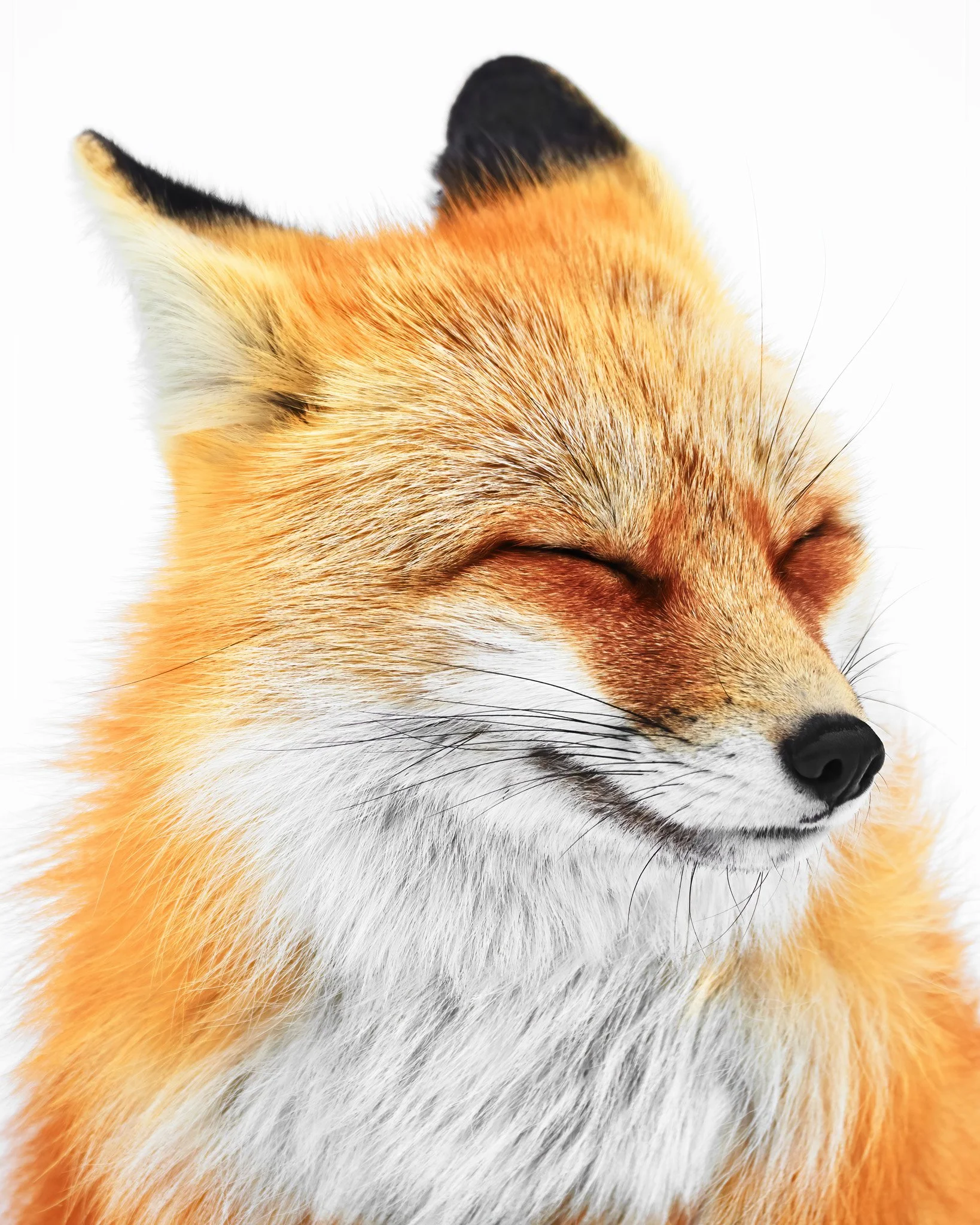 Image 1 of 6
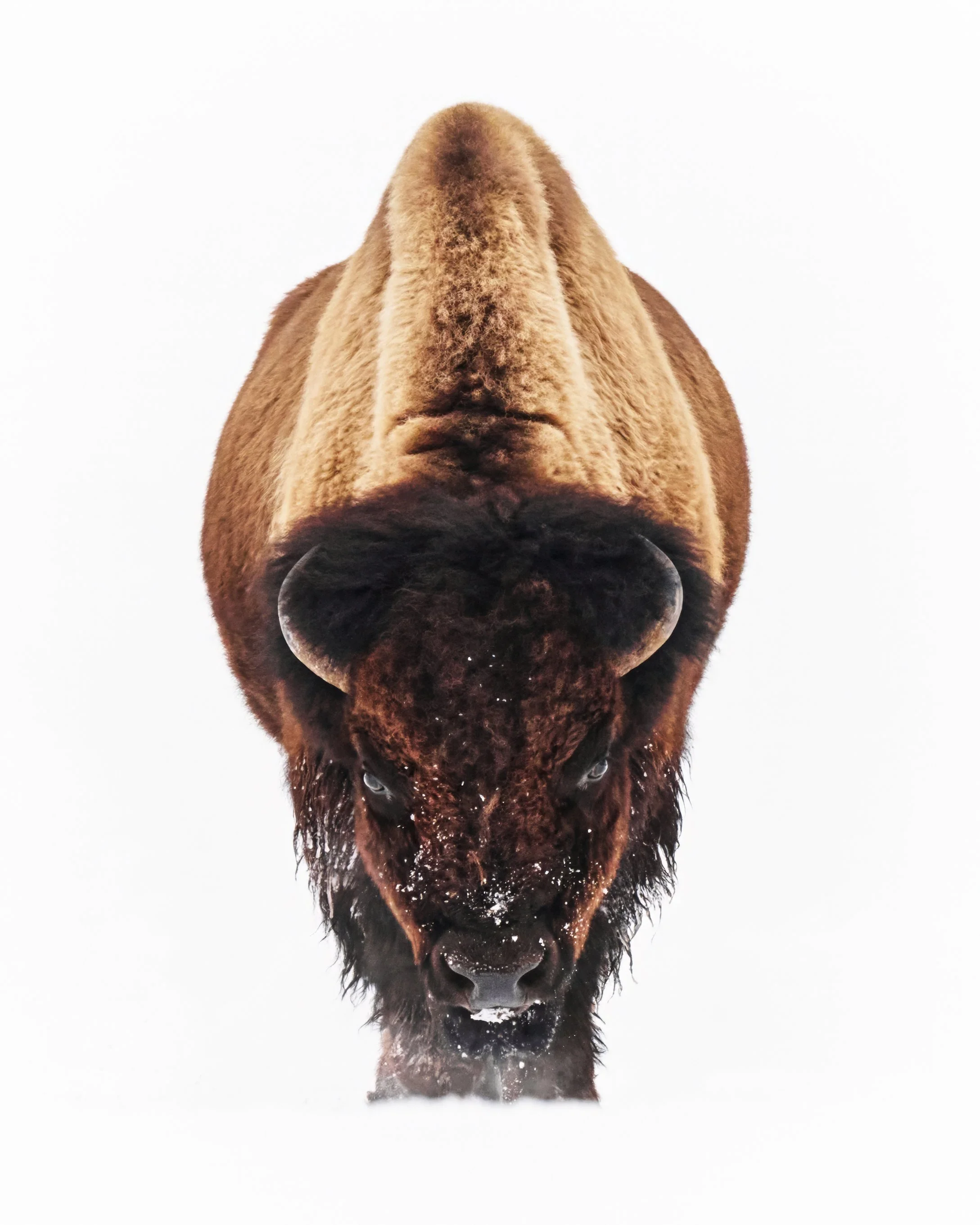 Image 2 of 6
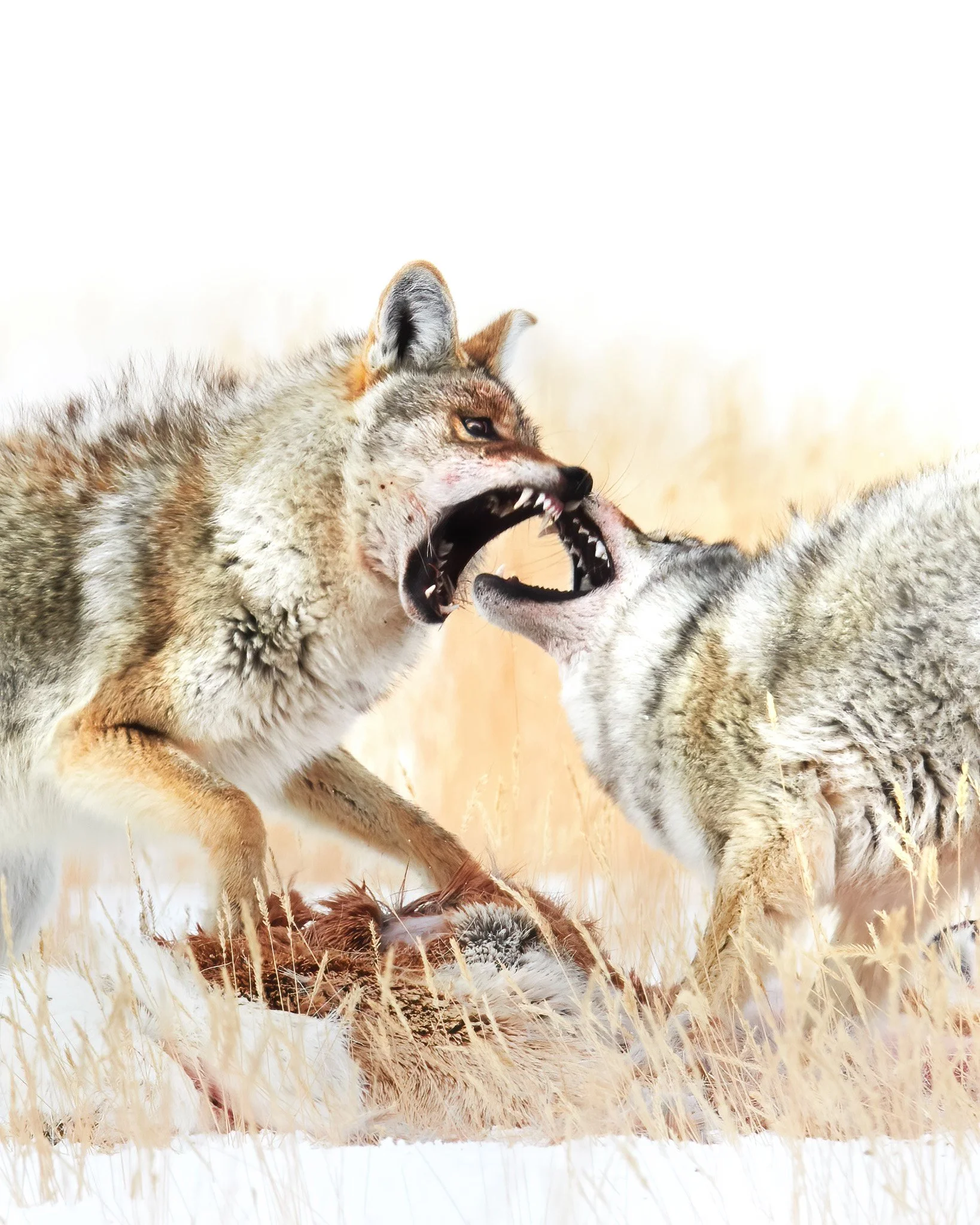 Image 3 of 6
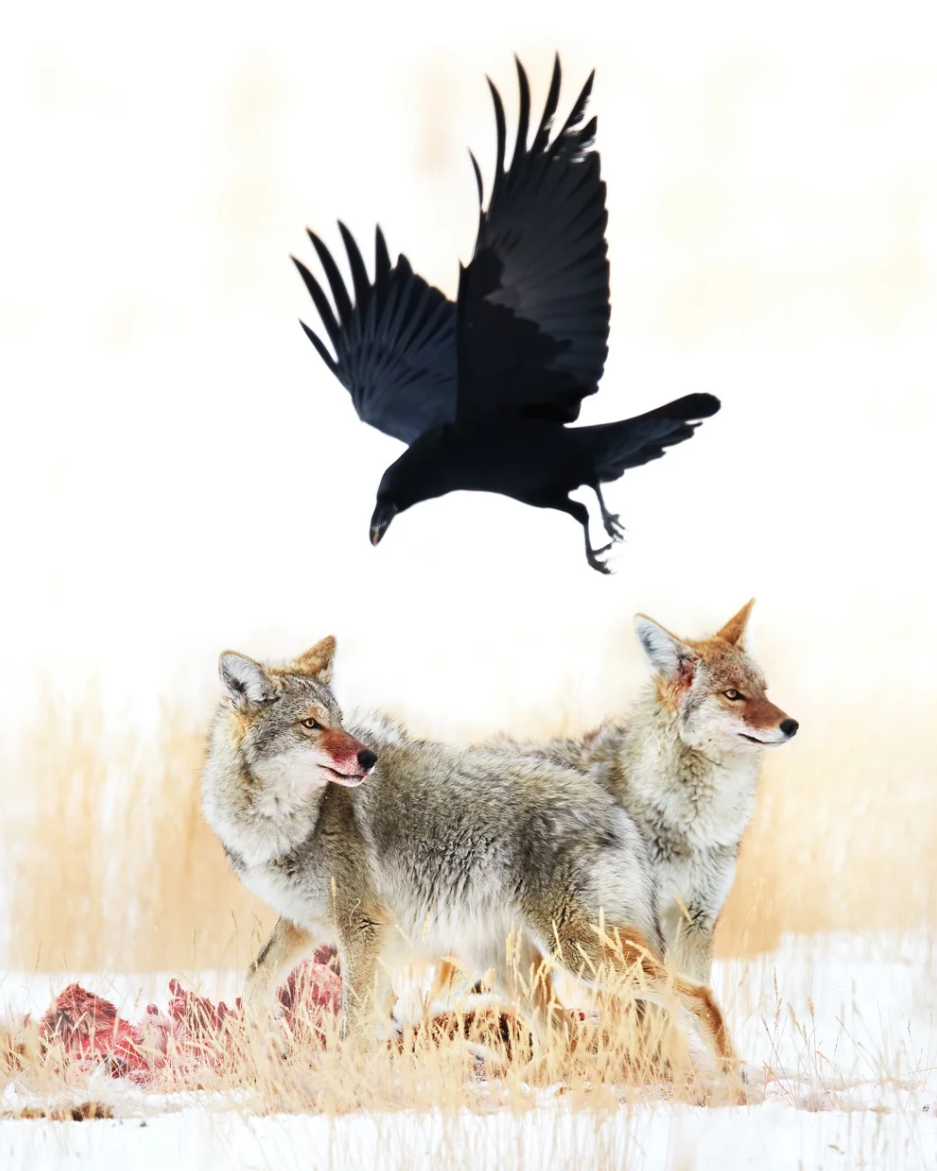 Image 4 of 6
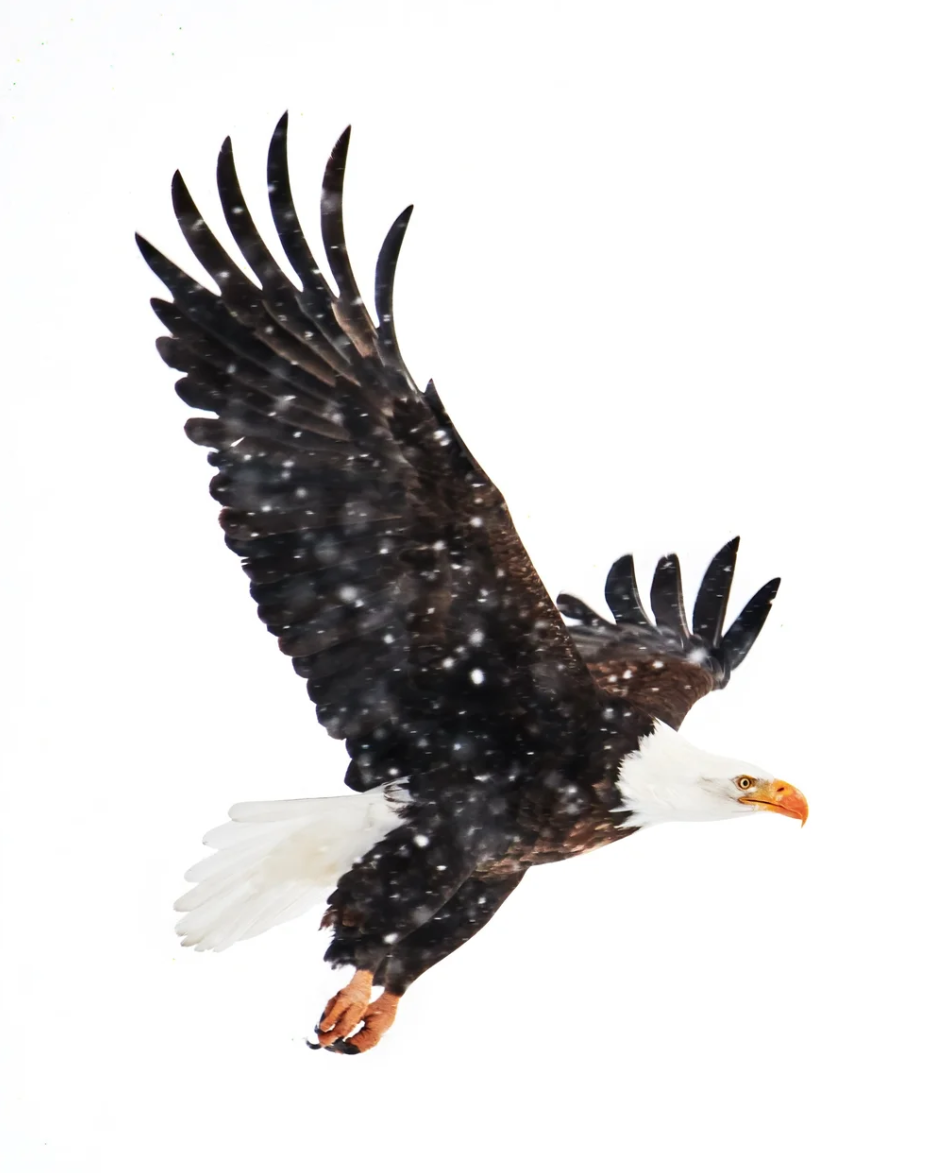 Image 5 of 6
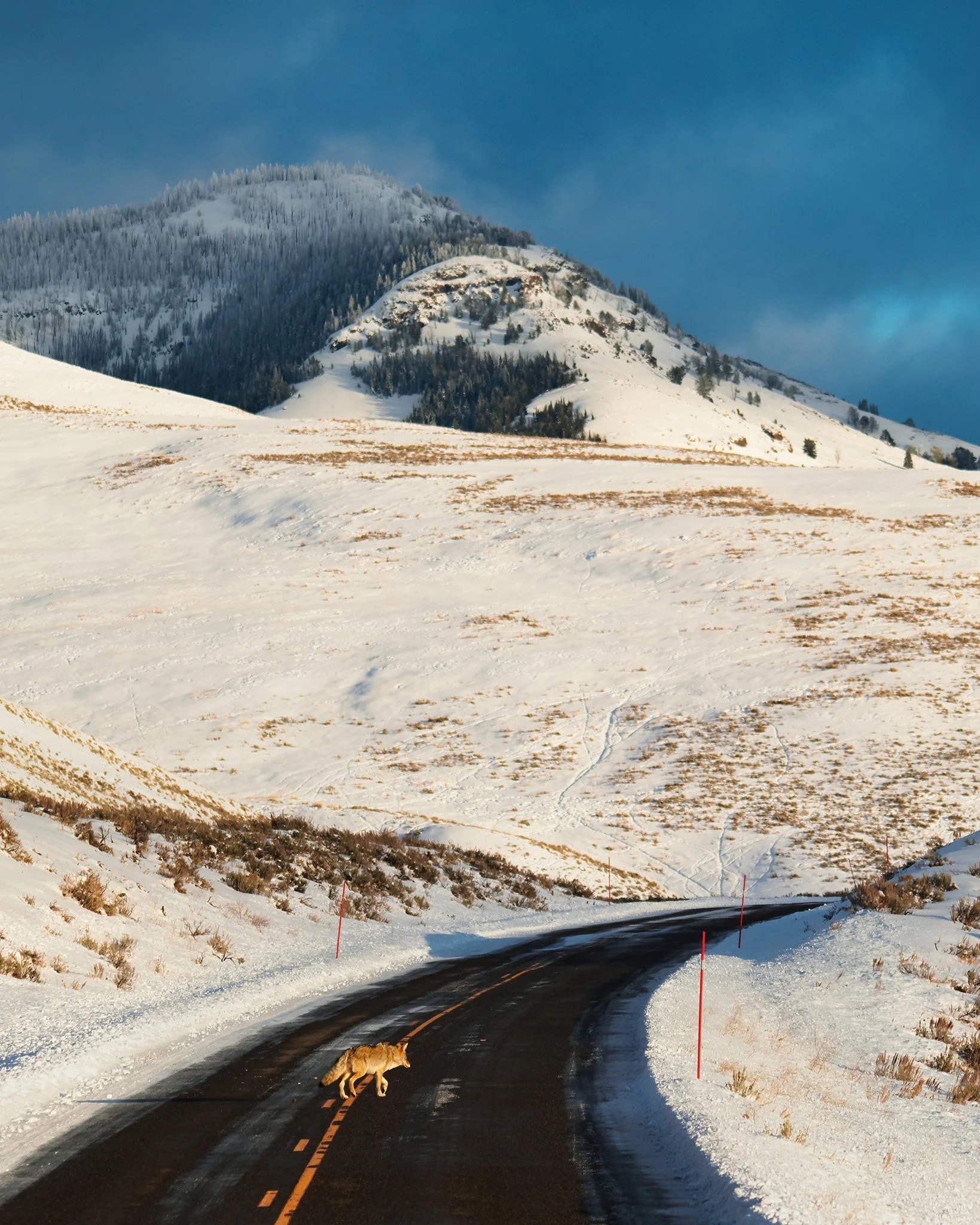 Image 6 of 6